everyday-systems
How an emergency alert reaches phones in one area
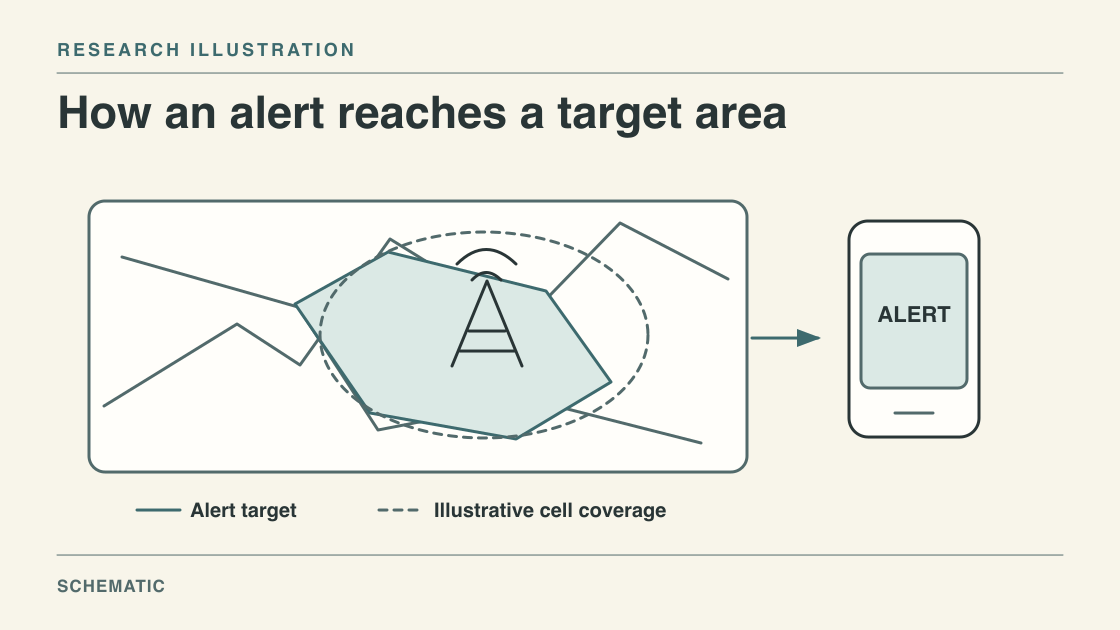
A U.S. Wireless Emergency Alert can reach a visitor and a local resident at the same time. A broadcast, a map and the handset all play a part.
For the curious. For the everyday.
A headline is a beginning.
We go a little further — into the evidence, the systems and the ideas that help it make sense.
The publication
everyday-systems
A U.S. Wireless Emergency Alert can reach a visitor and a local resident at the same time. A broadcast, a map and the handset all play a part.
everyday-systems
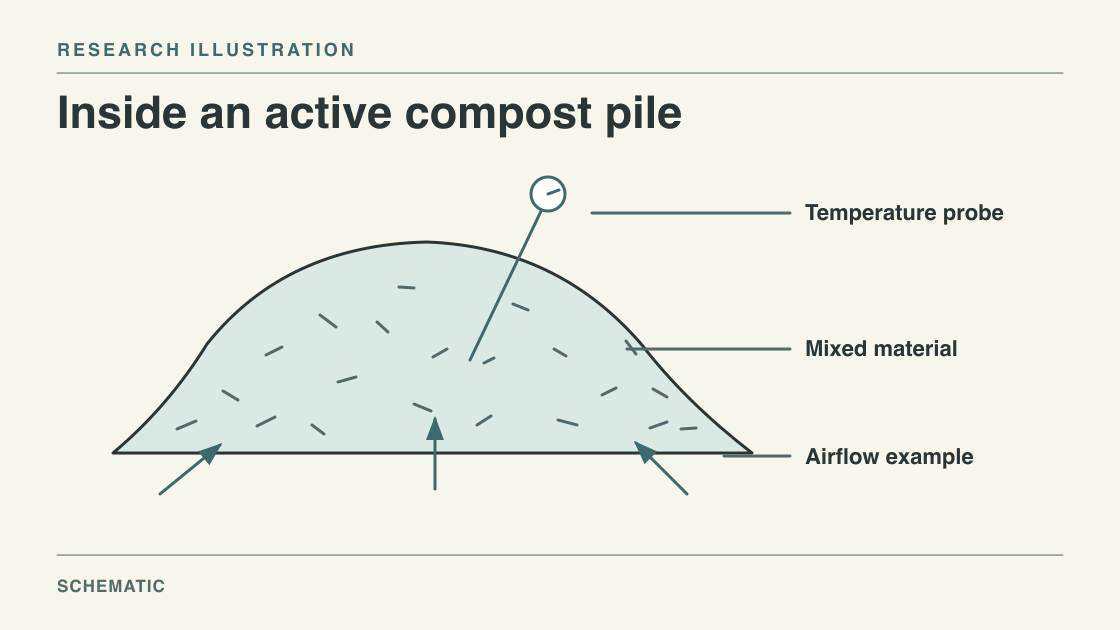
A banana peel takes a longer route than the collection truck suggests. Follow the sorting, air, heat and curing that turn scraps into a usable soil amendment.
everyday-systems
A light switch draws on a shared network. See how operators move electricity and respond when use departs from the forecast.
wider-view
In one U.S. survey, 19 minutes and 88 minutes describe the same activity. The difference is whose diary went into the calculation.
science-society
Colours on a satellite image can represent measurements beyond the visible spectrum. The band combination tells you how to read them.
wider-view
An agency’s on-time figure depends on where it watches the buses, how it defines punctual and which departures it counts.
everyday-systems
A typical surface-water plant uses several steps to remove particles and control germs. A local water report shows which source and tests apply to your system.
everyday-systems
A domain name is easy to type. A chain of lookups and temporary records helps a browser work out where to connect.
science-society
One downpour can produce very different paths through grass, roofs and storm drains. Follow the water to see what changes.